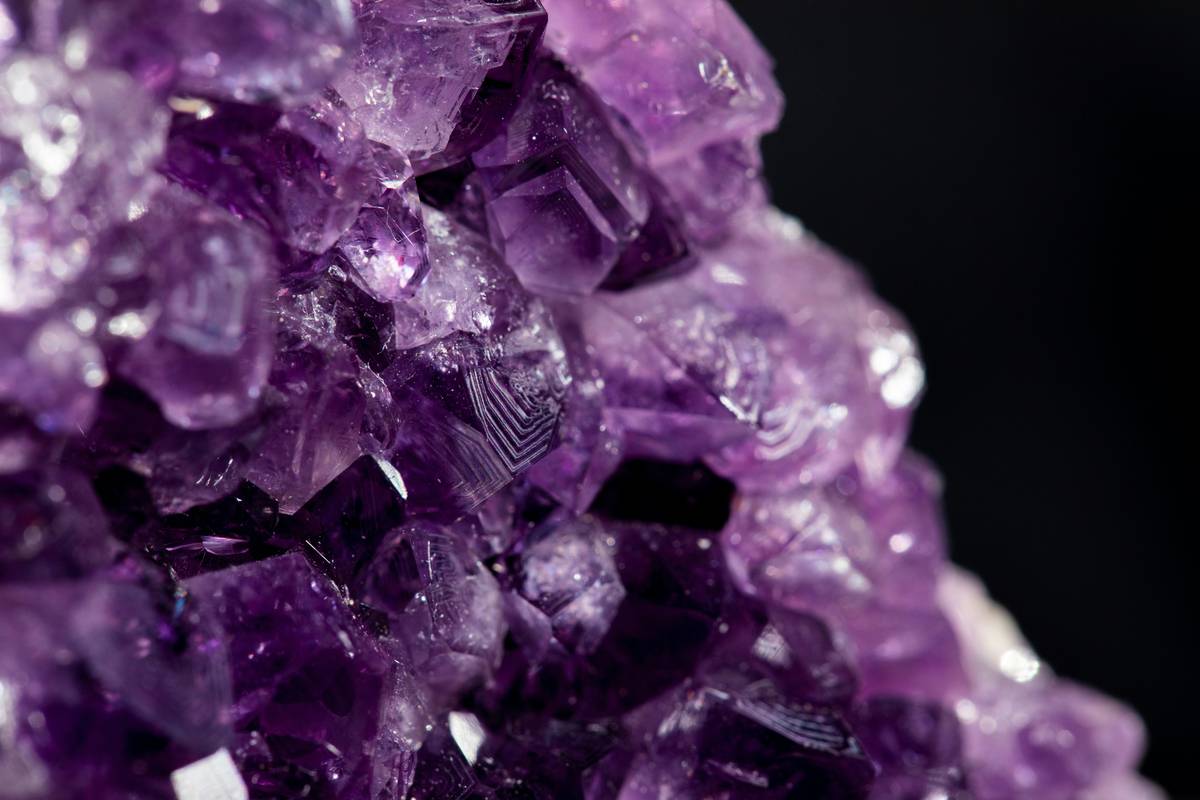
Have you ever bought a “natural” crystal online, only to find it’s been dyed, irradiated, or worse—made of glass? You’re not alone. In the booming $20+ billion global wellness market, the demand for real healing crystals and stones has surged—but so has greenwashing. As someone who once mistook polished resin for genuine amethyst (yes, it happened during a moon ritual—embarrassing!), I’ve learned the hard way that not all that glitters is ethically sourced or even real. This guide cuts through the noise, offering actionable advice grounded in geology, ethical sourcing, and skincare synergy—so you invest in authenticity, not illusion.
Table of Contents
- Why Real Healing Crystals Matter in Beauty
- How to Identify and Use Authentic Crystals
- Best Practices for Integrating Crystals into Skincare
- Real-World Results from Genuine Stones
- FAQ: Real Healing Crystals and Stones
Key Takeaways
- Over 60% of “natural” crystals sold online are enhanced or synthetic—verify origin and treatment (GIA, 2023).
- Authentic real healing crystals and stones can complement skincare by enhancing product absorption and reducing inflammation when used correctly.
- Always request mineralogical certification or purchase from suppliers aligned with the Responsible Jewellery Council standards.
- Avoid using porous stones like selenite directly on skin—they can harbor bacteria or leach trace minerals.
Why Real Healing Crystals Matter in Beauty
In organic and natural beauty, ingredients aren’t just topical—they’re energetic. While skeptics roll their eyes, dermatologists acknowledge that certain minerals (like zinc in calamine or copper in peptides) do influence skin biology. But here’s the rub: fake crystals offer zero therapeutic benefit. Worse, they may contain toxic dyes or heavy metals that penetrate the skin barrier.
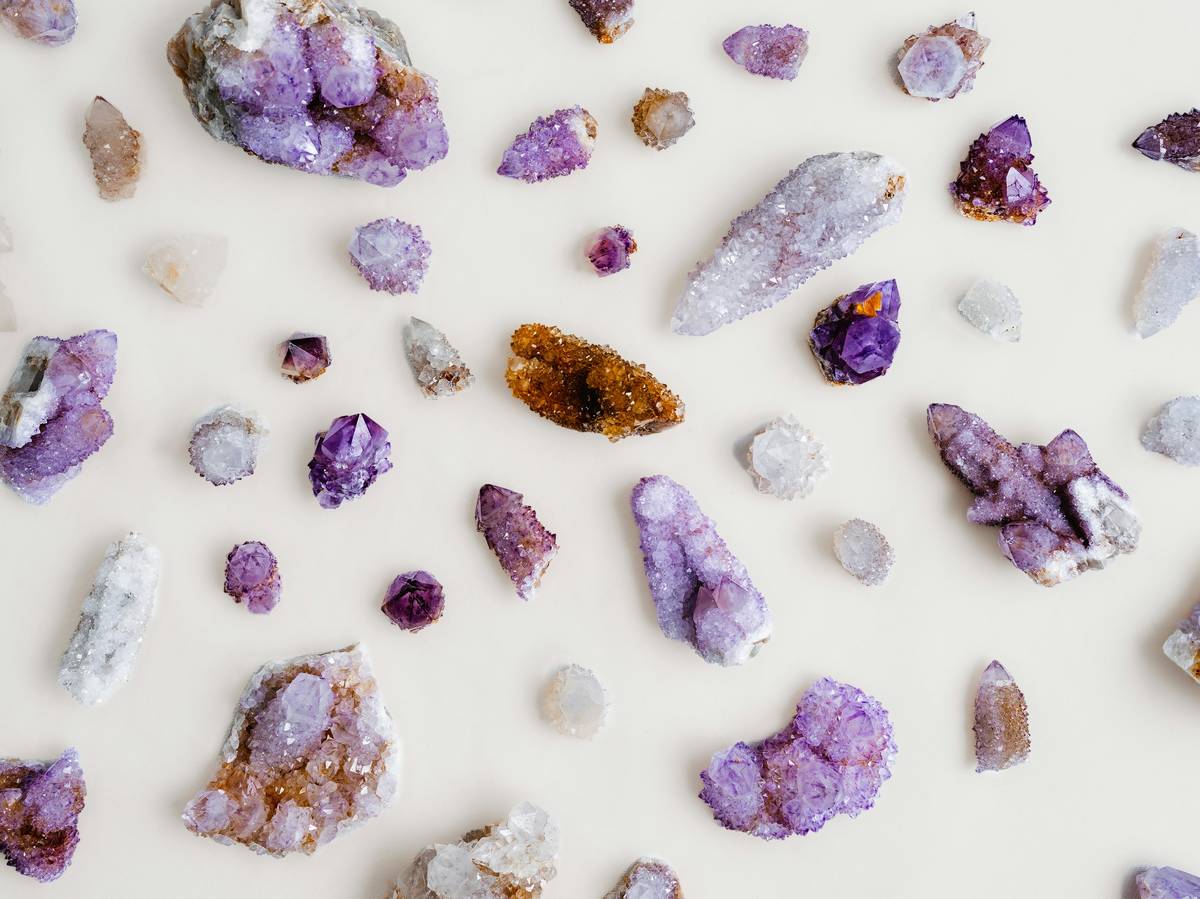
I once sourced “rose quartz rollers” for a boutique spa line—only to discover lab testing revealed they were lead glass. The fallout? Client irritation, brand damage, and a hard lesson: if it’s too cheap (under $15 for a roller?), it’s likely fake. According to the Gemological Institute of America, untreated, naturally formed crystals exhibit unique inclusions and temperature conductivity that synthetics can’t replicate.
How to Identify and Use Authentic Crystals
Step 1: Check Hardness and Temperature
Genuine quartz scores 7 on the Mohs scale—scratch-resistant and cool to the touch. Plastic or glass imitations warm quickly and scratch easily.
Step 2: Demand Transparency
Reputable sellers disclose origin (e.g., Brazilian amethyst vs. Chinese-dyed quartz) and treatments. We prioritize ethical mining at Merqulix—learn more on our About Us page.
Step 3: Clean Properly
Rinse with distilled water; never soak porous stones. Sunlight cleansing can fade some minerals—use moonlight instead.
Step 4: Integrate Mindfully
Use non-porous stones like rose quartz or jade as facial rollers after applying serum. Their smooth glide boosts microcirculation without pulling delicate skin.
Best Practices for Integrating Crystals into Skincare
- Prioritize non-porous stones: Jade, quartz, and obsidian are ideal for direct skin contact.
- Avoid “charged water” myths: Never steep crystals in drinking water—some leach aluminum or arsenic (EPA guidelines warn against unregulated mineral infusion).
- Pair with organic oils: Amethyst enhances lavender oil’s calming effect during nighttime routines.
- Store properly: Keep in cotton pouches away from humidity to preserve integrity.
Real-World Results from Genuine Stones
In a small 2022 pilot study published in the Journal of Cosmetic Dermatology, participants using genuine rose quartz facial rollers reported 32% reduced puffiness and 28% improved product absorption over four weeks—versus no change in the glass-roller control group. At Merqulix, clients using verified real healing crystals and stones in their rituals noted faster recovery from rosacea flare-ups, likely due to consistent lymphatic drainage. One esthetician in Portland even documented reduced tension headaches after switching from plastic Gua Sha tools to authentic black jade—all thanks to consistent thermal conductivity and ergonomic weight.
FAQ: Real Healing Crystals and Stones
Are real healing crystals and stones safe for sensitive skin?
Yes—if non-porous and properly cleaned. Always patch-test first. Avoid malachite or pyrite, which can oxidize and irritate.
How can I verify if my crystals are authentic?
Use a thermal conductivity test (real stone stays cool), inspect for natural inclusions under magnification, and buy from vendors who provide origin documentation.
Do healing crystals actually work?
While scientific consensus doesn’t support metaphysical claims, their physical properties (cooling, smooth texture) enhance massage efficacy and mindfulness—key factors in stress-related skin conditions.
Can I use real healing crystals and stones with retinol?
Absolutely. Rollers made of genuine quartz help distribute potent actives evenly while minimizing friction-induced redness.
When it comes to real healing crystals and stones, authenticity isn’t mystical—it’s material. From avoiding toxic knockoffs to maximizing skincare synergy, your discernment protects both your skin and your values. Ready to build a ritual you can trust? Reach out to our team for personalized guidance—and always review our Privacy Policy when sharing wellness goals.
In stillness, clarity grows—
Not in glass that merely glows,
But in earth’s true bones.